Book Review: Constructing Europe

Constructing Europe: 25 Years of Architecture edited by Diane Gray, Fundació Mies van der Rohe
Actar Publishers, 2013
Hardcover, 308 pages


In 2013 the Mies van der Rohe Foundation celebrated the 25th anniversary of the European Union Prize for Contemporary Architecture - Mies van der Rohe Award. Twenty-five years – one quarter of a century – is a typical milestone, but in the context of the prize it might seem a little odd, given that it happens every two years. So while the book, exhibition, and related events celebrate 25 years, it only 13 cycles of the prize happened in those years; the inaugural run happened in 1988 and the first of the new millennium took place in 2001, hence the shift from even- to odd-numbered years. A small and trite point to make, to be sure, but more importantly the decade-and-a-half time frame allows the prize organizers to reflect on the changes and important buildings that occurred in that time.


Graced by a cloud rather than one of the winners, the cover makes it clear that the organizers do not elevate one building over another, even as each year the job of the jury is to do such. Hence, the organization of the book is straightforward: a chronological presentation, in black and white photos, of the winners for each cycle, followed by essays culled from the different prizes. In terms of the latter, those with catalogs to the EU/Mies Prizes, also published by Actar, will recognize these essays, just as they will surely recognize the winners. Given that the winning and shortlisted buildings presented here are known by most fans of architecture, the value of the book is in assembling the essays, which trace the important issues of each cycle and highlight different voices: Kenneth Frampton, Elia Zenghelis, Aaron Betsky, Ricky Burdett, and so forth.


In addition to the photos and essays are a handful of new essays that look back on the prize's first 25 years and a foldout timeline that situates the winning buildings within a larger European context of politics, culture, and science. As an entirety, the book's content serves to elevate the importance of the prize to both a European audience and those outside of Europe. To date, the rule of awarding prizes to European architects realizing designs on European soil has narrowly restricted the influence of architects from Europe. When the prize returns in 2015, that limitation may be extended (per comments from the Mies Foundation's director at the Biennale this year) to European buildings overseas, something that would acknowledge the exportation of ideas and the cross-border movement of architects. Perhaps in another 25 years, the retrospective catalog will be called Constructing the World.


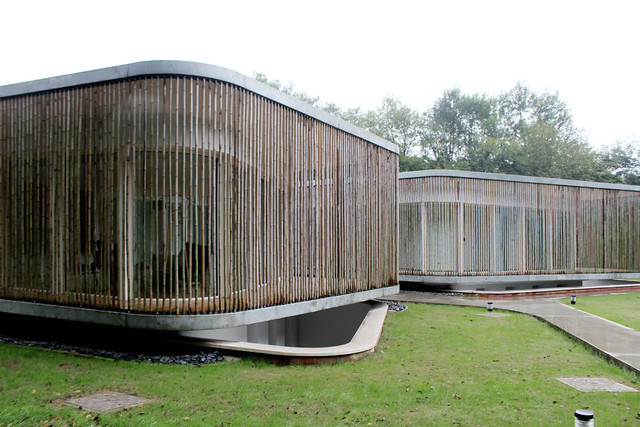
Today's archidose #792

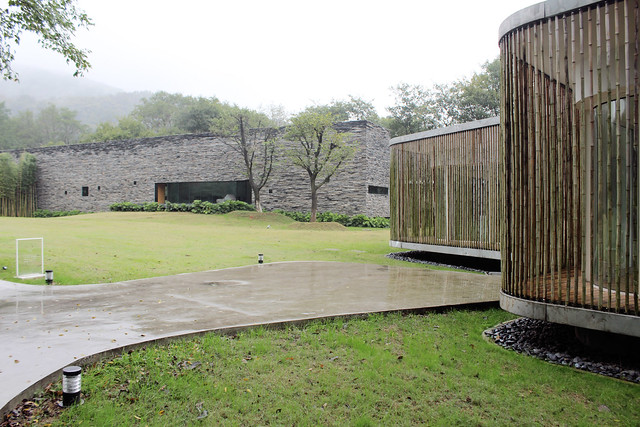
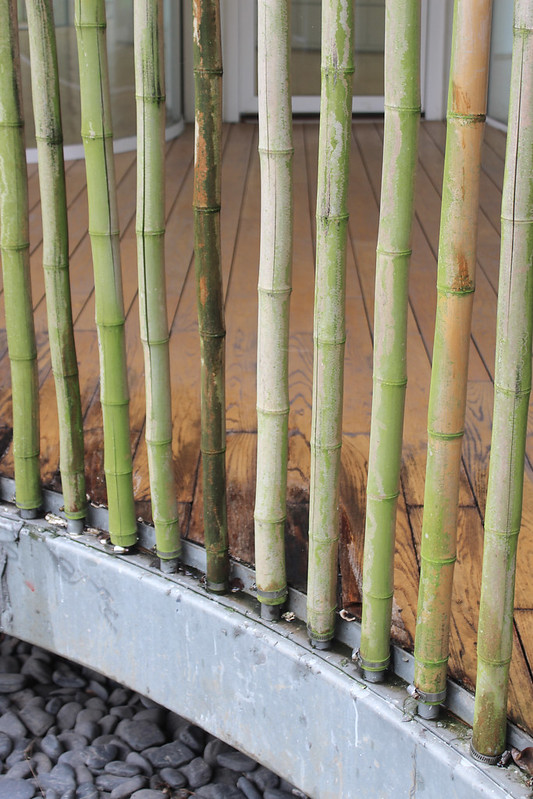
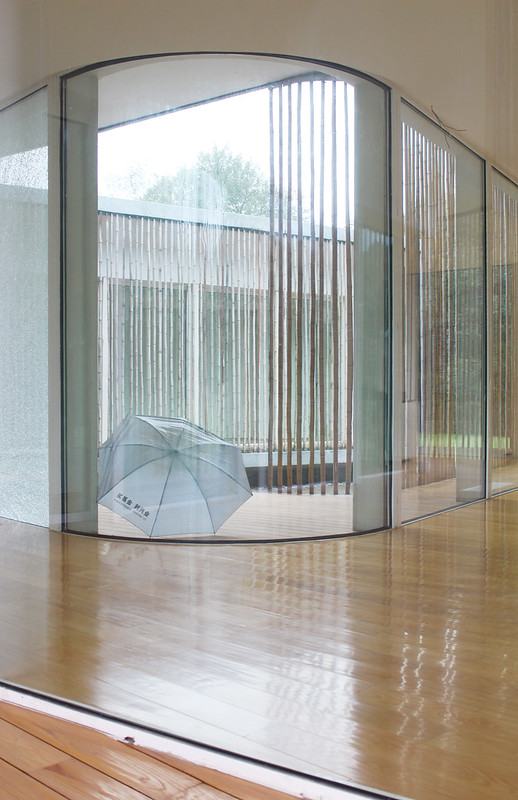
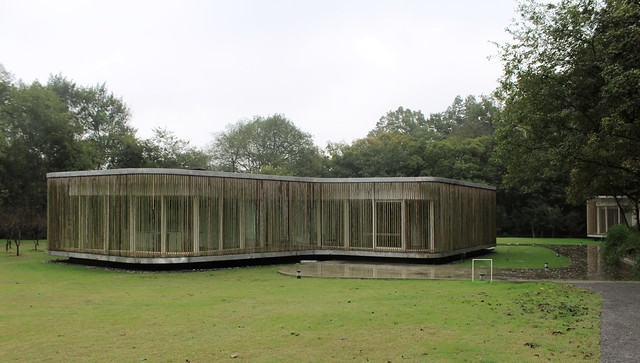
Here are some photos of the Fo Shou villa (2012) at the Sifang Art Museum in Nanjing, China, by Mansilla & Tuñón, photographed by Trevor Patt.

IMG_9967

IMG_9973

With David Adjaye's Light Box in the distance:
IMG_9974

IMG_9971

IMG_9972

To contribute your Flickr images for consideration, just:
:: Join and add photos to the archidose pool
To contribute your Instagram images for consideration, just:
:: Tag your photos #archidose

Book Review: Architectural Drawing

Architectural Drawing by David Dernie
Laurence King Publishing, 2014, Second Edition
Paperback, 208 pages


In addition to the author's own drawings, the first 30 pages of David Dernie's inspirational and practical guide to architectural drawing features a watercolor by Steven Holl, a computer rendering by Zaha Hadid Architects, one of Coop Himmelb(l)au's closed-eye sketches, a Lebbeus Woods hand rendering, and a photomontage by Eric Owen Moss, among others. The variety evident in these pages, which encompass the introduction and part of the first chapter, Lines, prepares the reader for the rest of the book, which does not elevate one form of drawing over another (hand drawing over computer rendering, for example). Instead, Dernie embraces the multitude of techniques today to "explore the fluidity and continuity of drawing as a creative process of 'materializing thoughts'."


The second edition of Architectural Drawing, first published in 2010, is one of publisher Laurence King's "student skills" series of books in architecture. The series also includes a title on modelmaking, reviewed here in 2010, and books on CAD, digital fabrication, technology, construction, and history. Although much of the content in the drawing and modelmaking books is from the UK, they have enough general ideas and international content to make them suitable to a much wider audience than the publisher's home country.


Dernie's book is split into three sections – Media, Types, Places – to cover as much ground as possible in 200 pages. Media is further broken down into Line, Render, and Mixed Media, with numerous step-by-step lessons covering pencils, Photoshop, charcoal, collage, and other ways of using different media. Types moves from sketches to perspectives, from the quickest to the most laborious, again presented with a number of step-by-step lessons on both hand and computer techniques. Finally, Places looks at how drawings are used to describe interiors, landscapes, and urban settings. Inserted between the many practical lessons throughout the book are case studies, highlighted by gray pages; these supply the inspiration that rounds out Dernie's intended balance of practice and inspiration.


While clearly aimed at students in architecture, the book should also appeal to young architects, given the wide range of media and techniques explored. Students are at the whims of their professors more than their own desires or interests, meaning there will be gaps in their education that this book can partly fill. I for one never ventured into linocut or screenprinting, and my experience in the computer environment tended to be narrow, having found one way over time that worked for me. For Dernie, expression isn't limited to one type or method, and his openness to the various ways of drawing should make students and young architects that much more adventurous.